

About This Project
Feasibility appraisal – potential residential development
Near Swindon
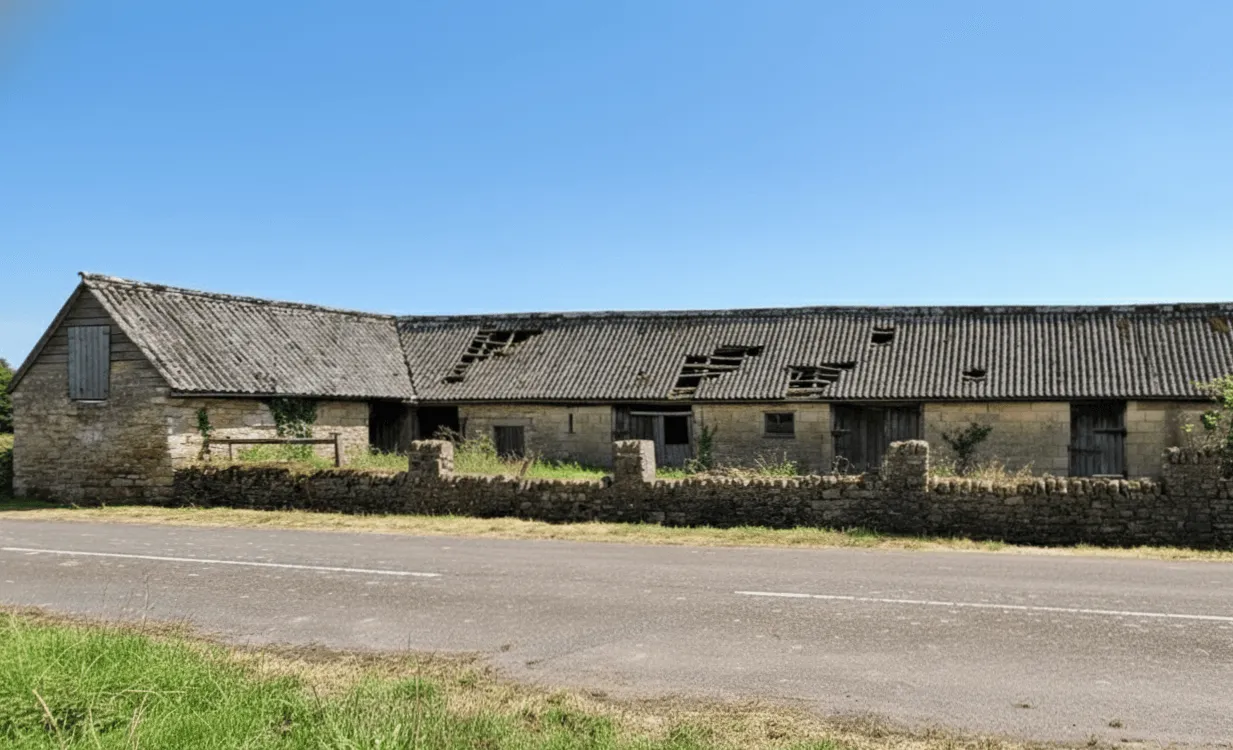
LP Planning was instructed by a prospective purchaser of a site in Wiltshire to undertake a feasibility appraisal of a site on the edge of a rural village near Swindon, which hosted some redundant rural buildings. The aim of the Appraisal was to assess the site’s potential for either a change of use and conversion of the existing buildings or a new self-build redevelopment. Although located outside the settlement boundary, the site was surrounded by a small cluster of existing dwellings, with relevant planning precedent in the immediate vicinity. Adding to the complexity, the site was within a Special Area of Conservation (SAC), an Area of Special Advertisement Control, and was close to three listed buildings.
Following a site visit and a detailed review of the planning policy context, LP Planning prepared a comprehensive appraisal of the site’s potential. The appraisal provided clear, expert advice on the development routes most likely to achieve a successful planning outcome, as well as an honest assessment of less favourable options. It highlighted key policies, anticipated challenges, and the technical surveys required should a full application be pursued.
The feasibility appraisal concluded with a concise summary to support the client in making an informed decision about the potential purchase, the planning risks, and the likely costs involved.
Feasibility appraisals remain one of the most effective ways to assess planning risk early in the process, often saving clients significant time, cost, and uncertainty later on.